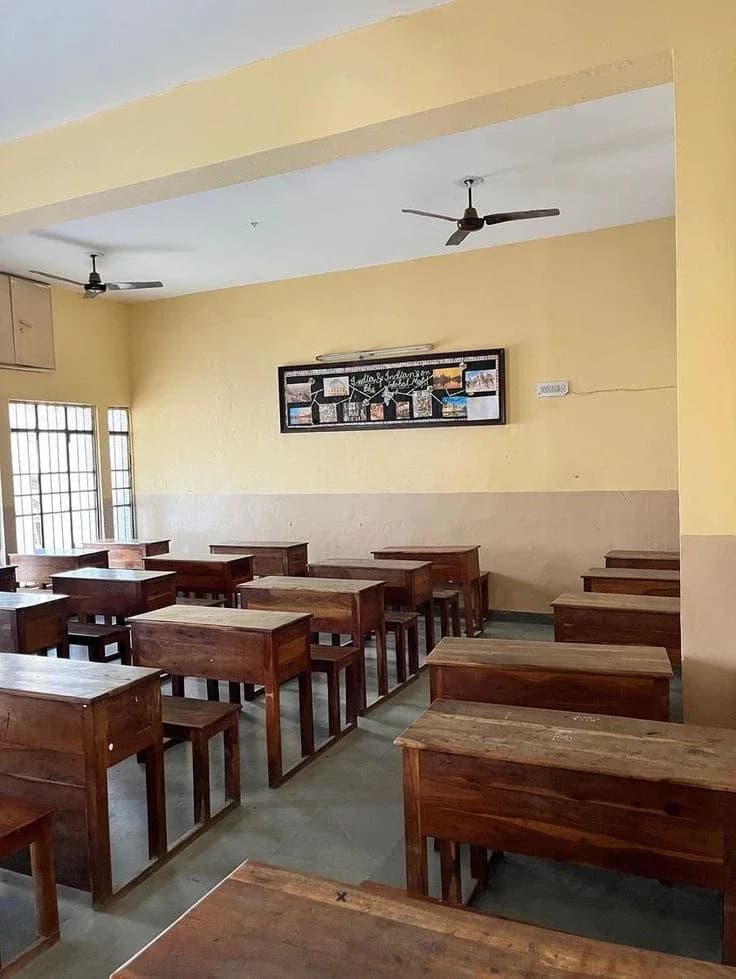
A — The situation
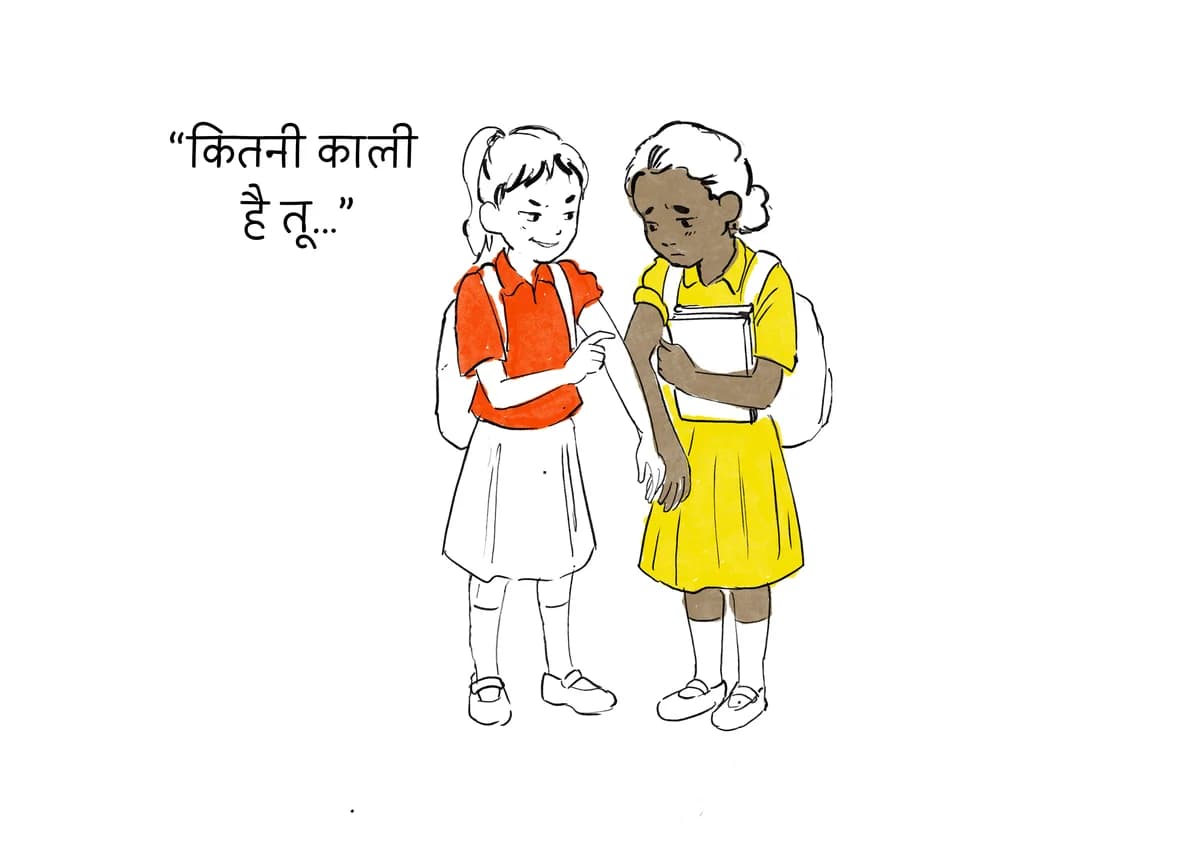
A comic panel of a bullying moment, handed to half the class.
Going to School · Two-day school workshop · Ran 2025
The students could already name bullying. What they lacked was a feel for how much it hurts, and a response ready for the moment. The two days were built around those two gaps.
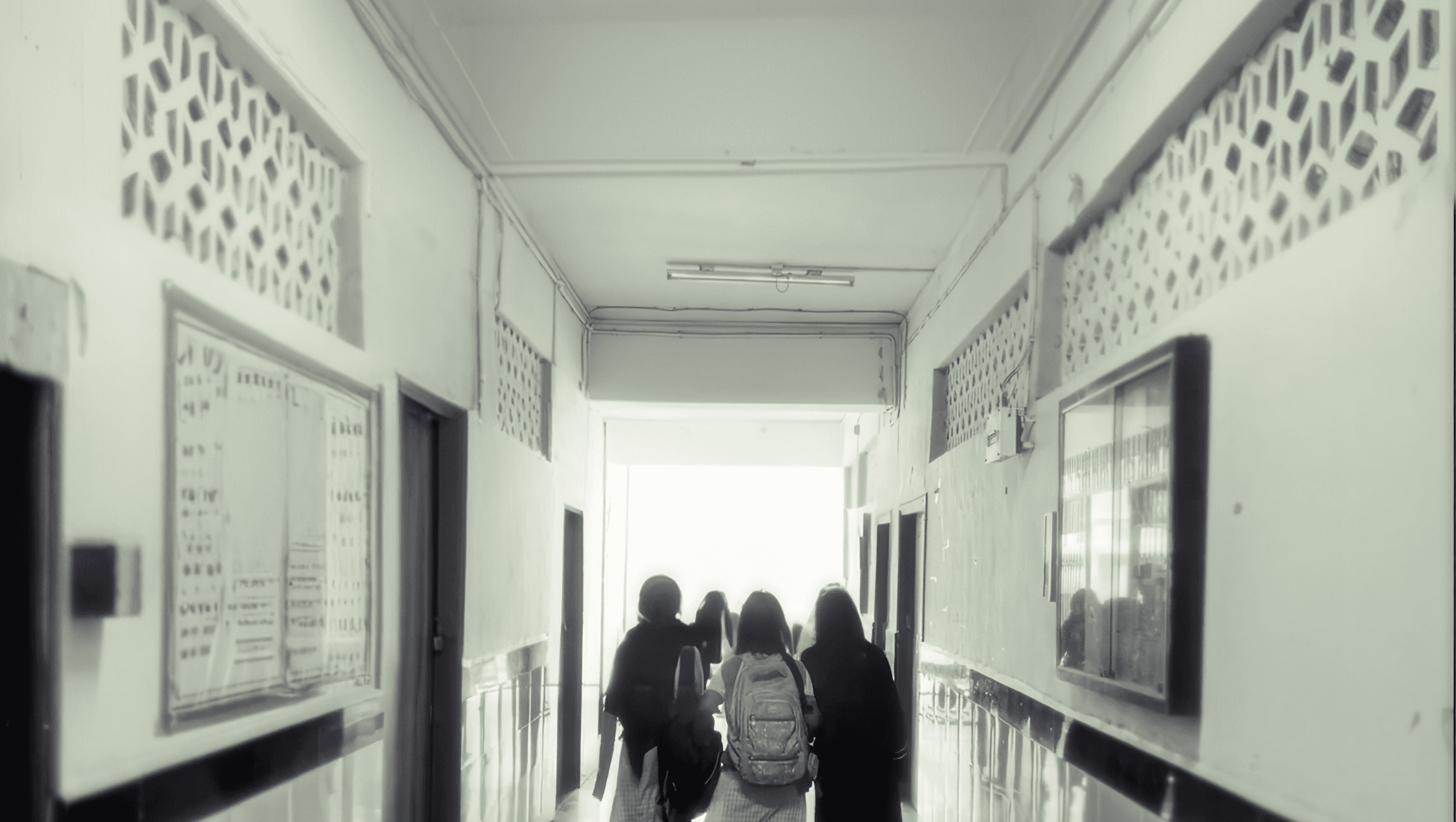
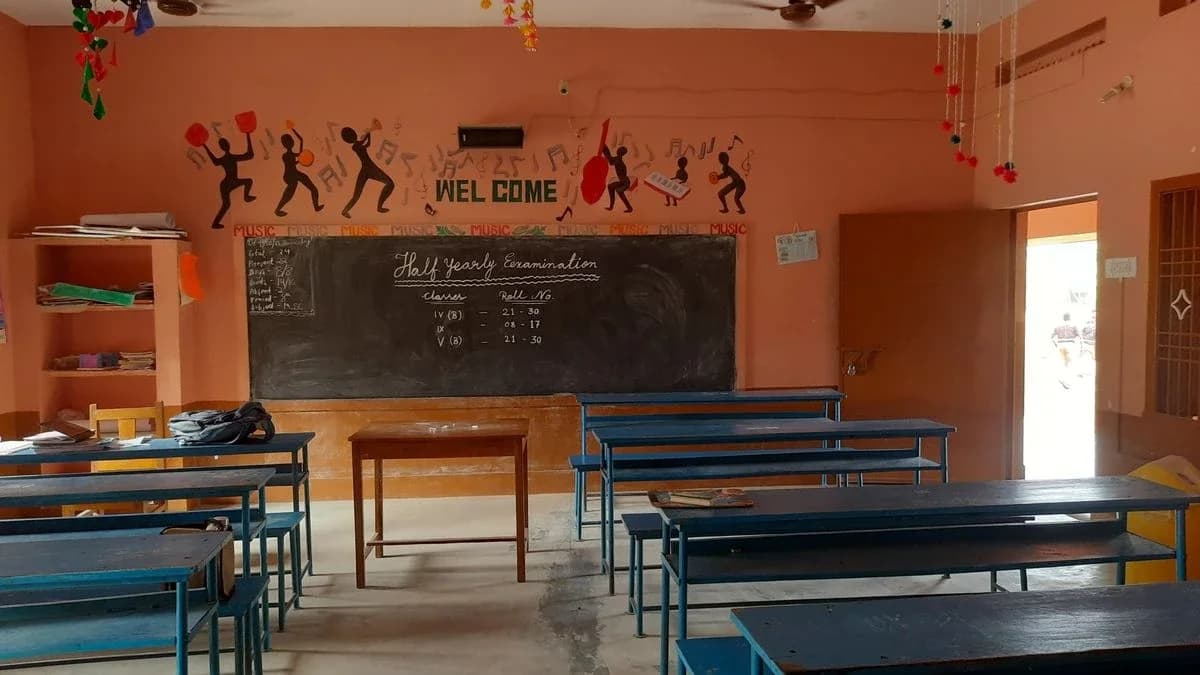
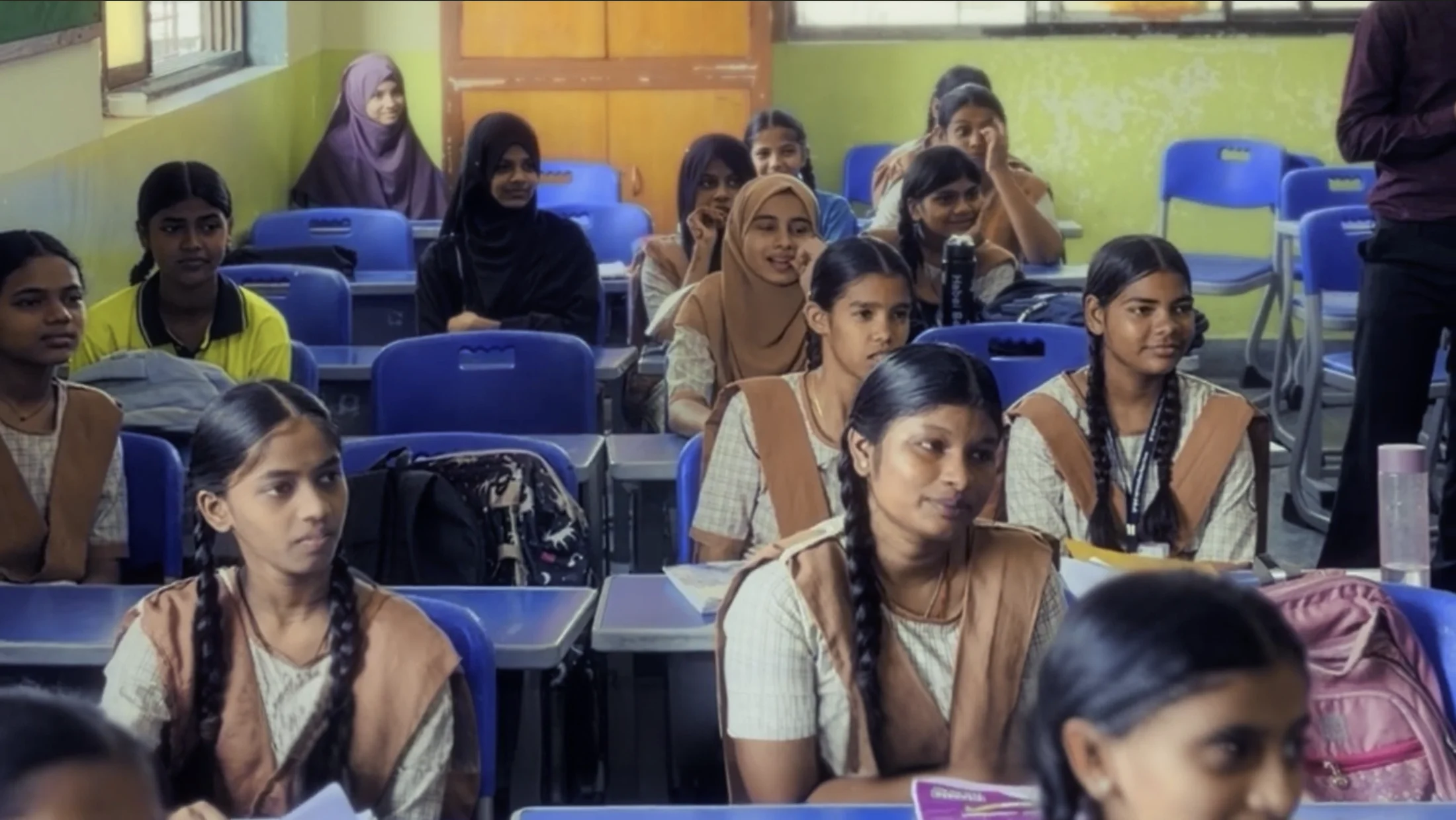
Childline India has cited that roughly two-thirds of schoolchildren report having faced bullying. We ran this with Going to School, an NGO that runs programmes in government schools: 33 students, Grades 8 to 10, one room, two days.
Research
To learn where students already stood, we held open conversations, not a survey, with seven students, three parents and two teachers, and read the research on school bullying.

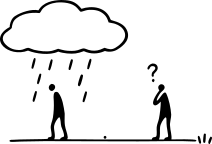
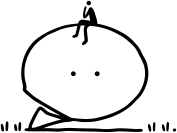
So we didn’t design to teach definitions. We designed to carry that existing instinct into an understanding of the harm, and to put a response in their hands.
What we made
Roles were taken by volunteers. The point wasn’t a harsh re-enactment: it was to show how changing your response changes how much the other person can actually do.
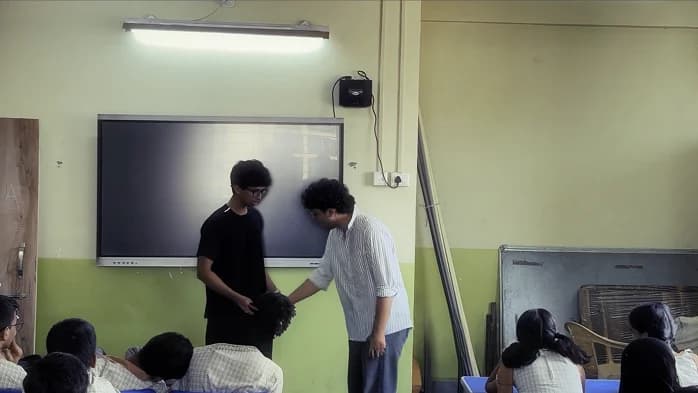
Two of us act out a scene; the class claps to freeze it the instant they spot bullying. They caught it fast, which confirmed that sensing bullying was not where they were stuck. The rest of the workshop could spend its time on the two parts that were: the weight of it, and the response.
Five minutes: what bullying is, its types, why people do it, what to do. We didn’t front-load it. It came straight after the skit, once they’d caught it live, so it named something they’d just felt rather than introducing it cold. The only passive part of the two days.
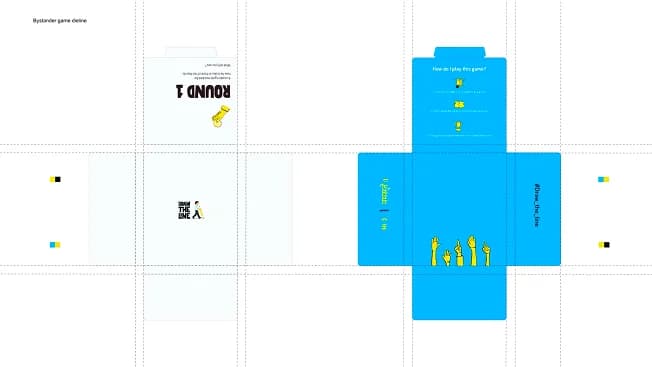
The Day 2 centrepiece: rearrange a set of word cards into a spoken response, ring a bell, act it out. Deliberately scaffolded, not open-ended.
Twelve panels, twelve written responses, split across the class and paired at the front.
Every activity casts a student into a role, as the bystander, the target, or the one who acted, so the feeling is theirs more than it being described. Day 1 carries the instinct into understanding; Day 2 turns it into a rehearsed response. A fifth instrument, an anonymous sealed box, sat alongside these for research and safeguarding.
The judgment in them is the real output of this project.
Three decisions shaped the activities: every student played every role, a matching game got a silent room moving, and students were given words, not a menu.
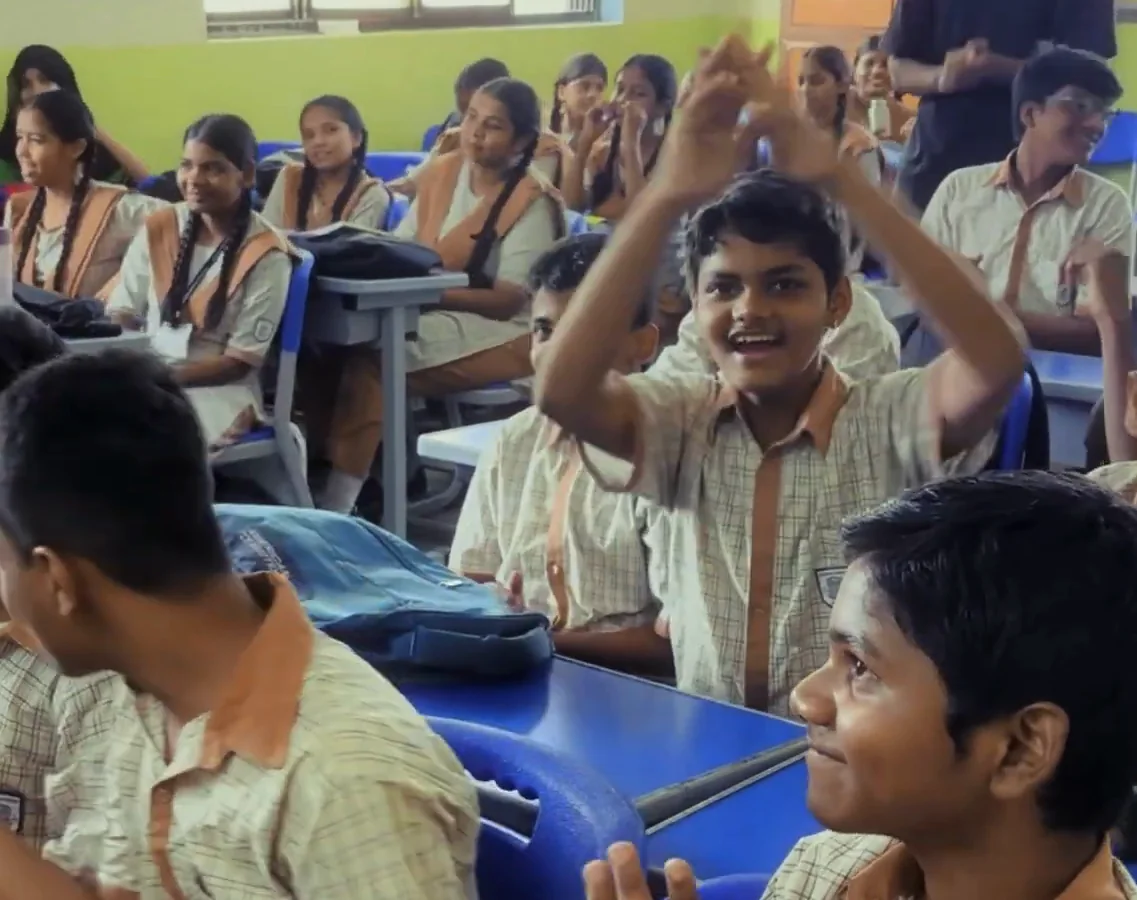
Moment 1
Most sessions cover the types of bullying, a zero-tolerance rule and a pledge to be an upstander. Students already knew the rules. Being inside the situation is what made them think.
Bullying that happens with other students watching
88%
Across 306 bullying episodes filmed on school playgrounds.
What those watching did
of episodes
of interventions
Hawkins, Pepler & Craig (2001), Social Development. Toronto, Grades 1 to 6.
The limits we held to
The cost: only volunteers took roles, so part of the room watched each scene from the audience.
Moment 2
Asked on Day 1 how they would respond, no one raised a hand. So the next game handed the answers out: comic-panel situations to half the class, written responses to the other half, paired up by walking to the front. A frightening open question becomes a low-risk matching task, and the room is on its feet before anyone has to be brave.
The cost: a matched answer is a handed answer. It shows a student can recognise a good response, not produce one cold. The next game was built to close that gap.
The two halves of the matching game
A comic panel of a bullying moment, handed to half the class.
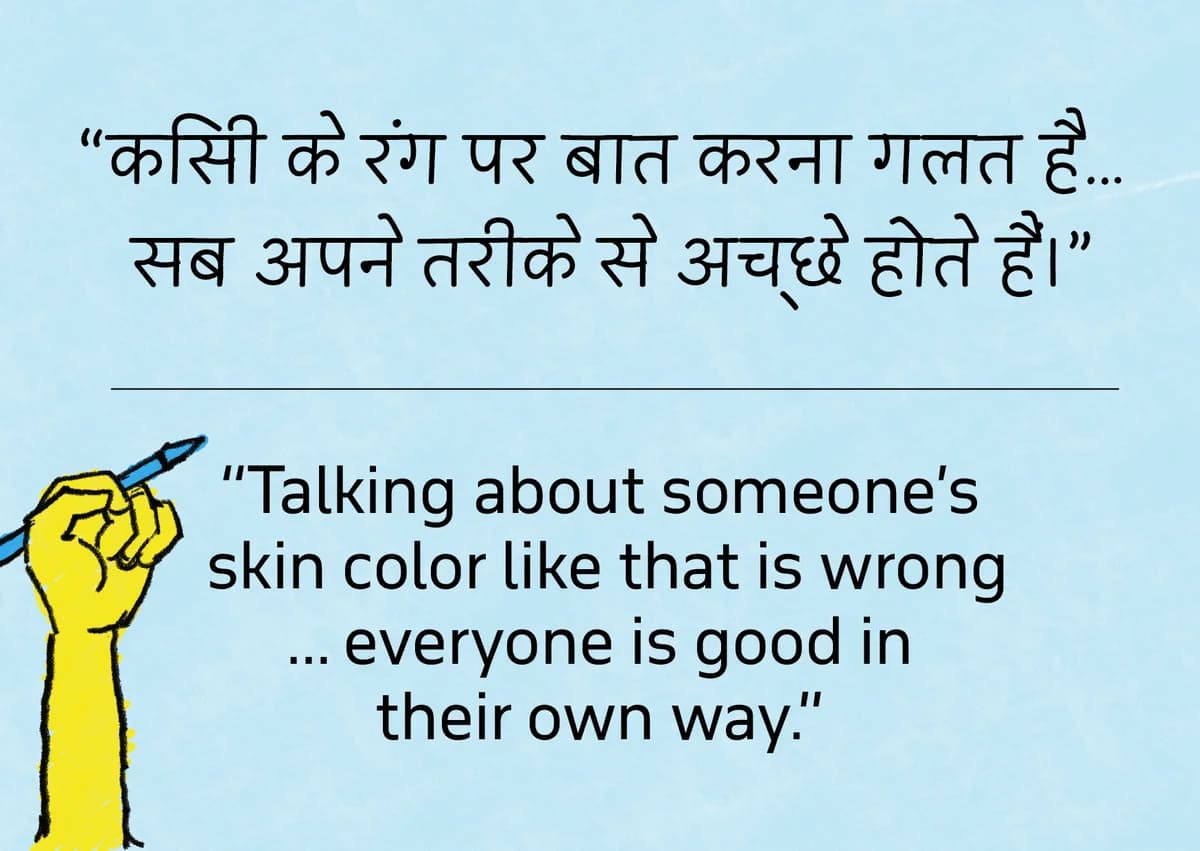
A written reply, handed to the other half. Each student walks up to find the card that answers theirs.
Moment 3
Facilitators freeze a scene; each group rearranges a set of word cards into a twelve-to-fifteen word response, rings a bell, and acts it out. There is no menu to point at.
The words are given, but the sentence has to be assembled and then spoken, which is a deliberate middle step between choosing an answer and inventing one from nothing.

Facilitators freeze a scene
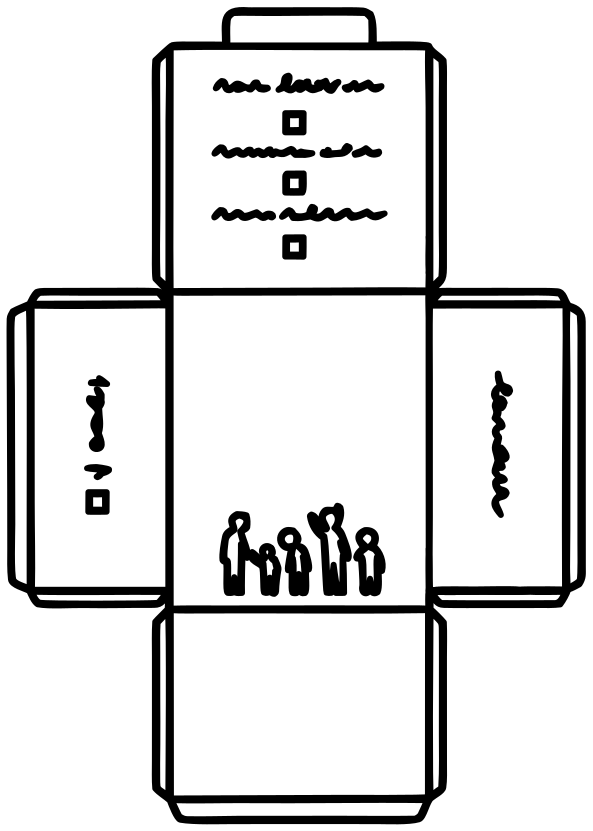
A group opens its sealed packet

They build the response from word cards

They ring the bell when it is ready

They say it out loud, in the scene
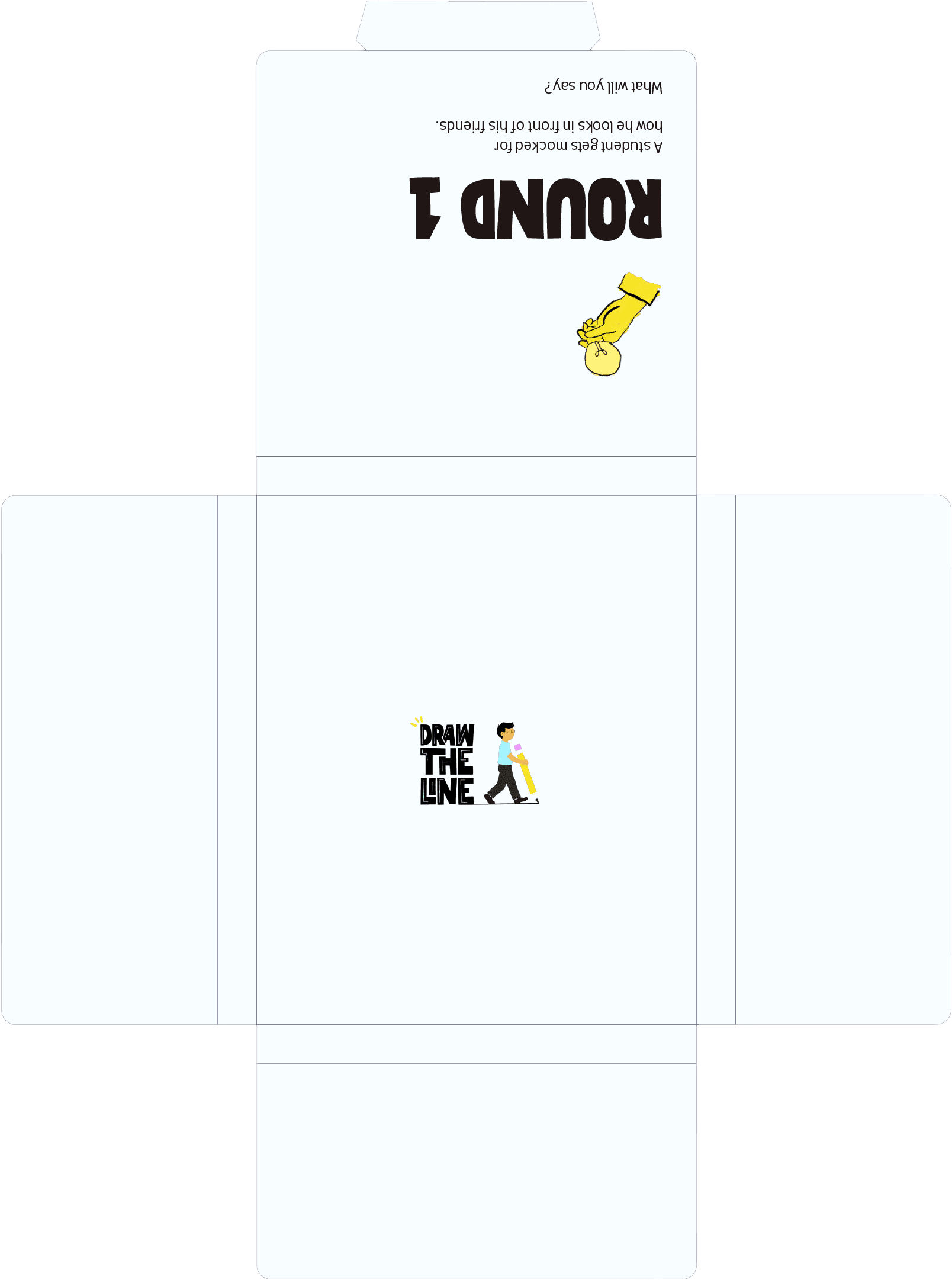
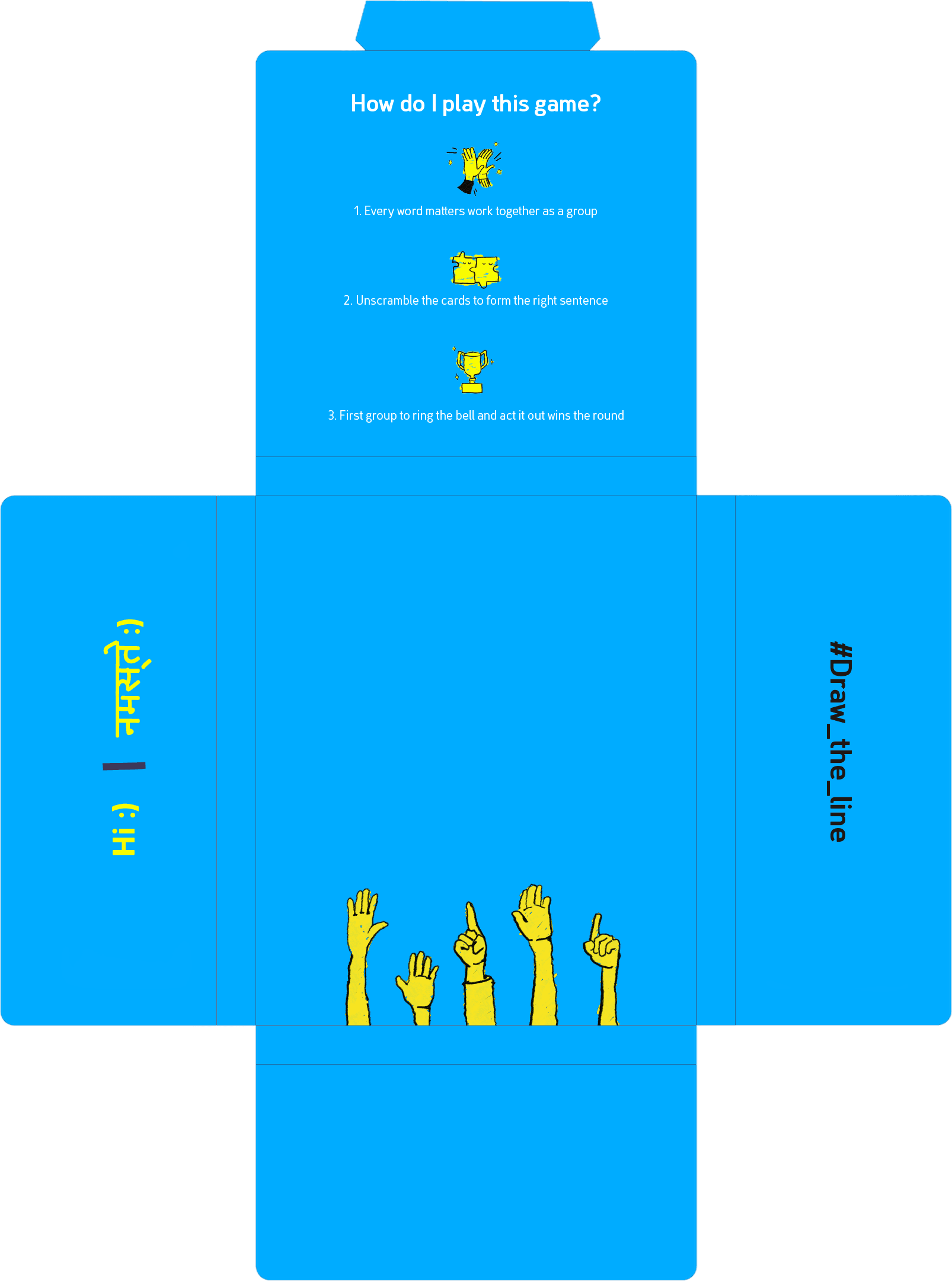
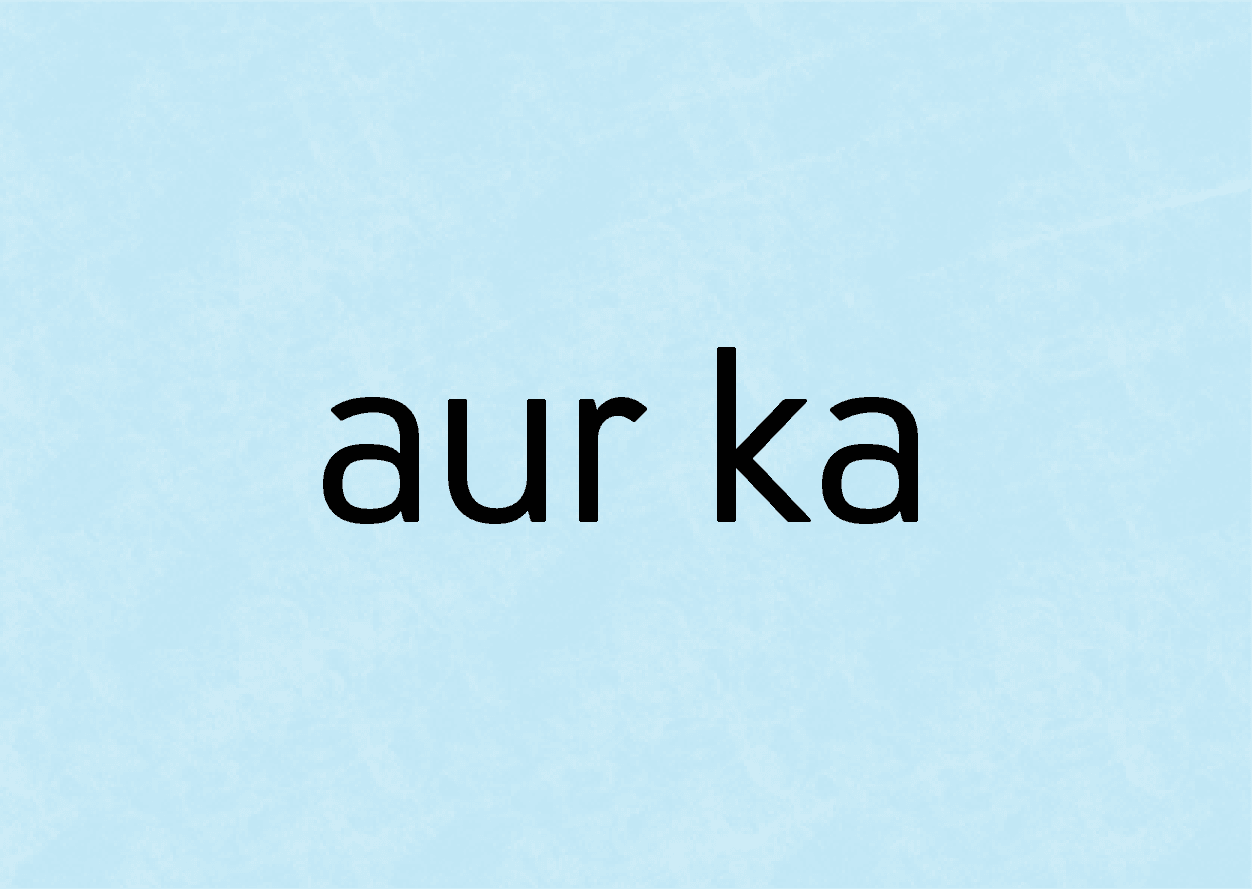
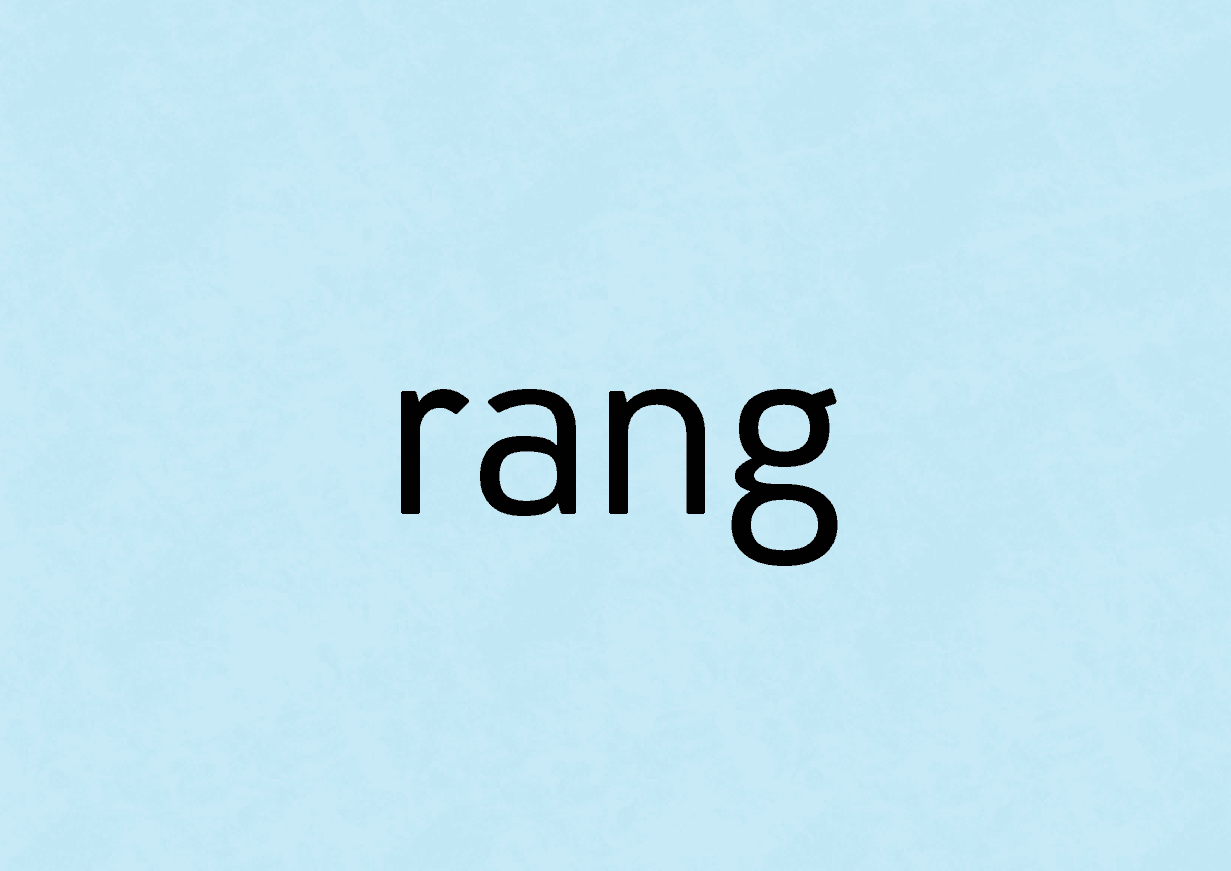
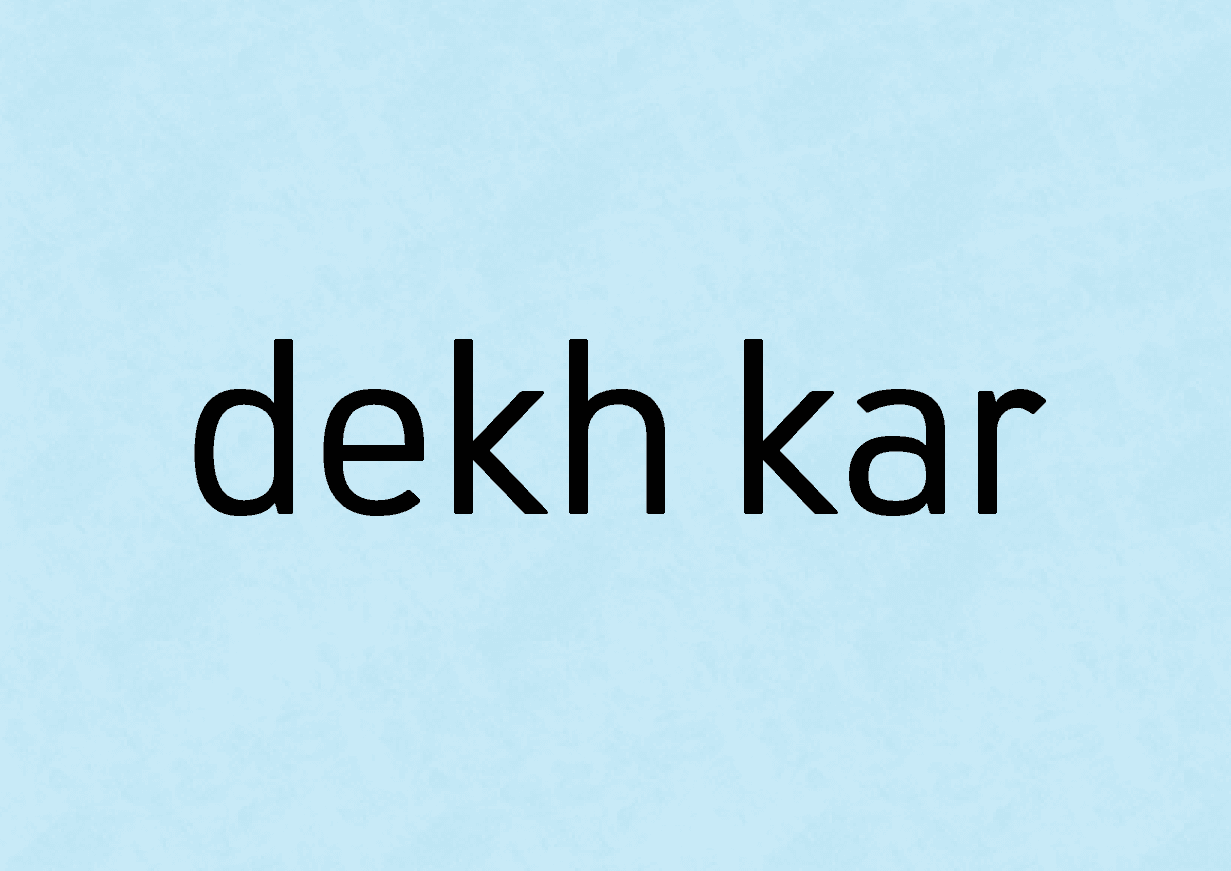
Built by one group, from the word cards
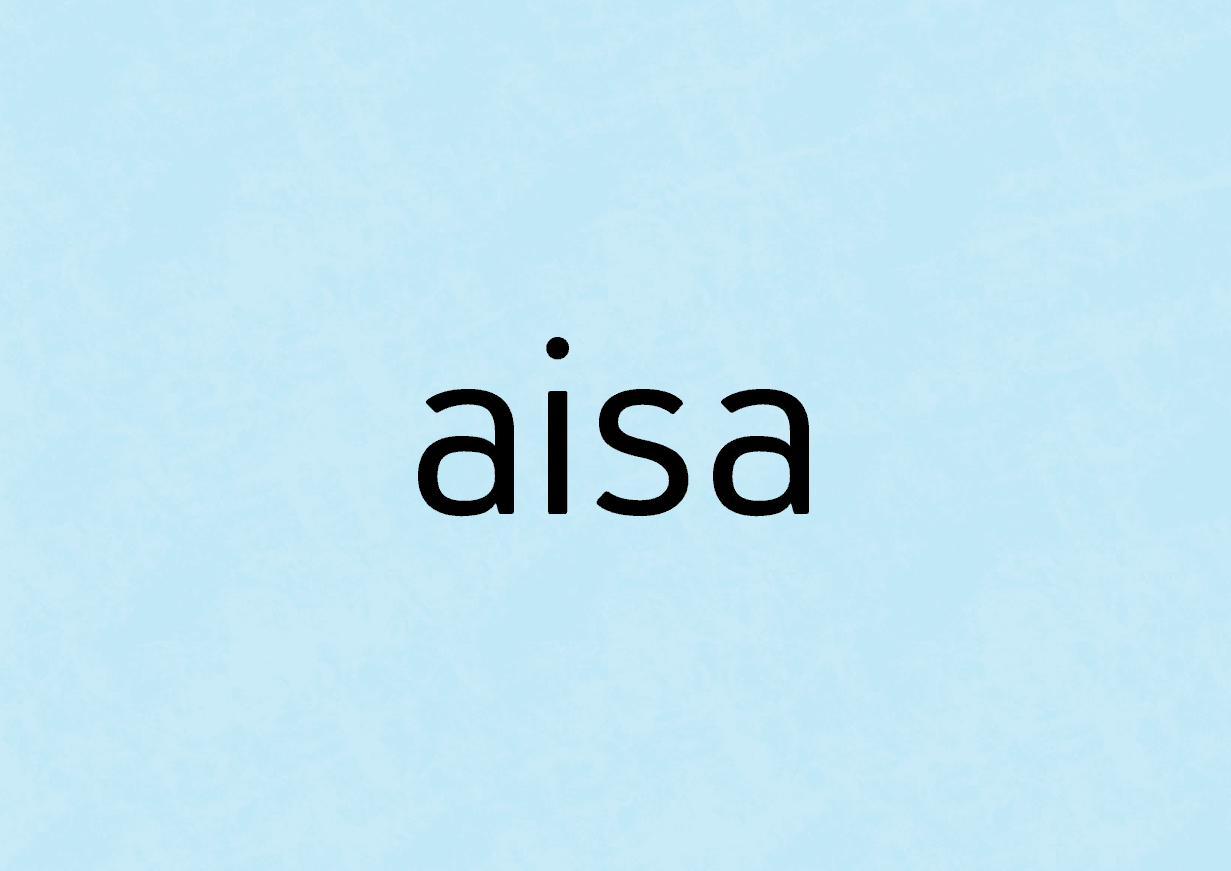
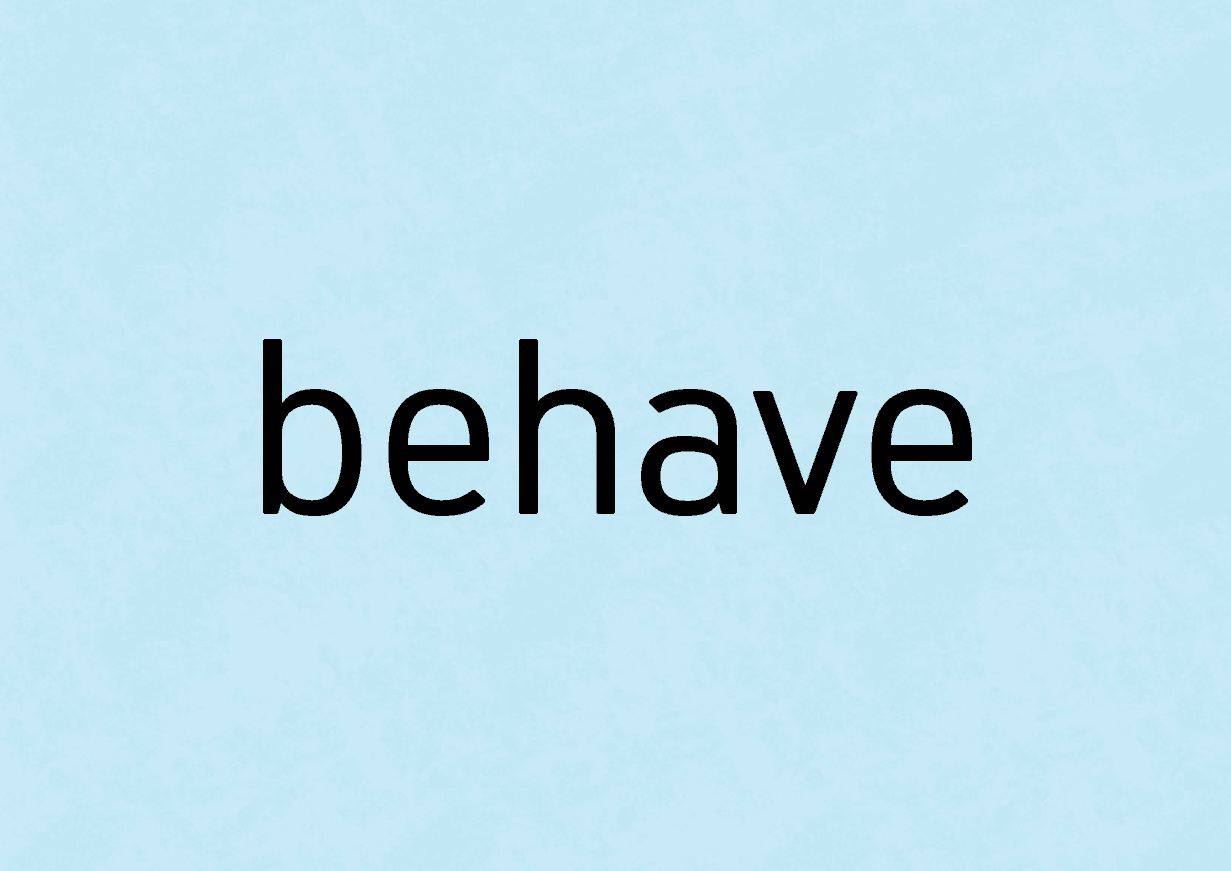
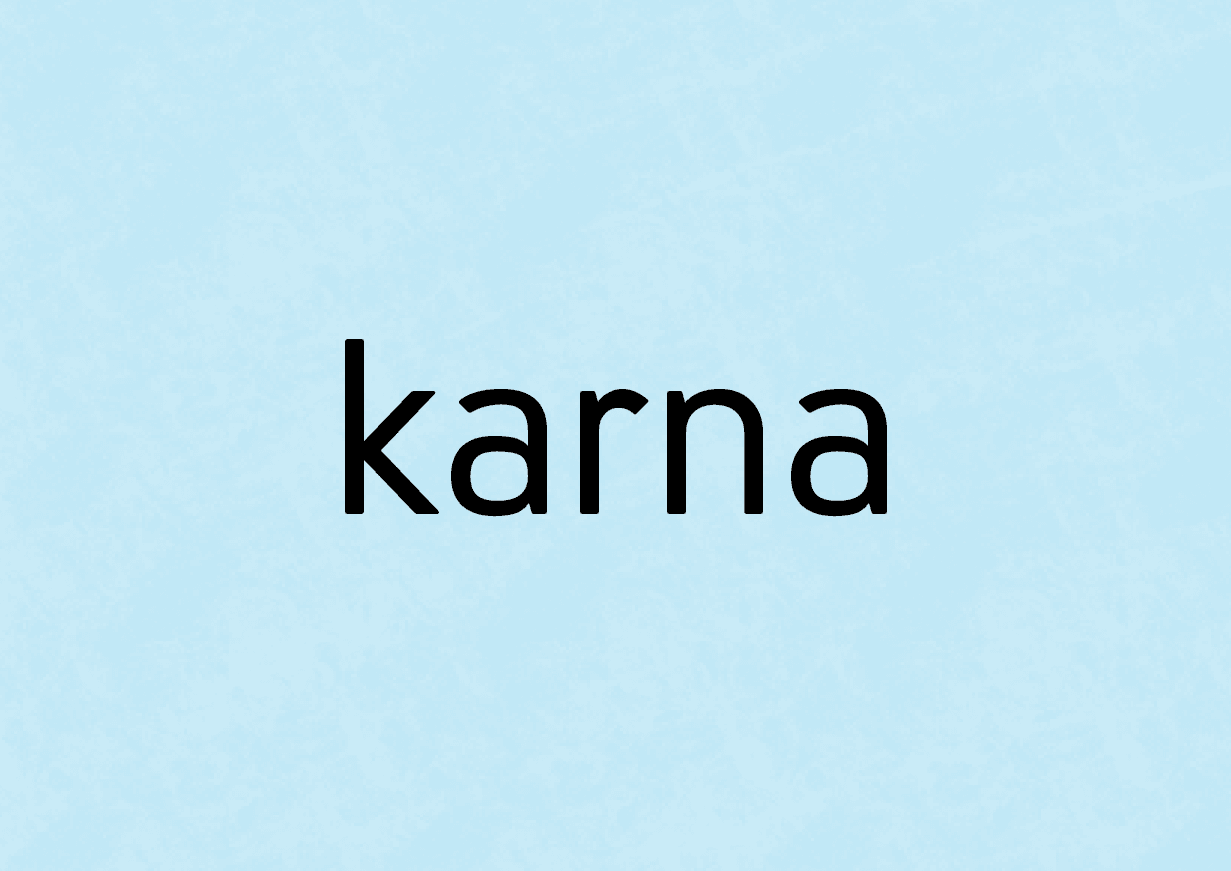
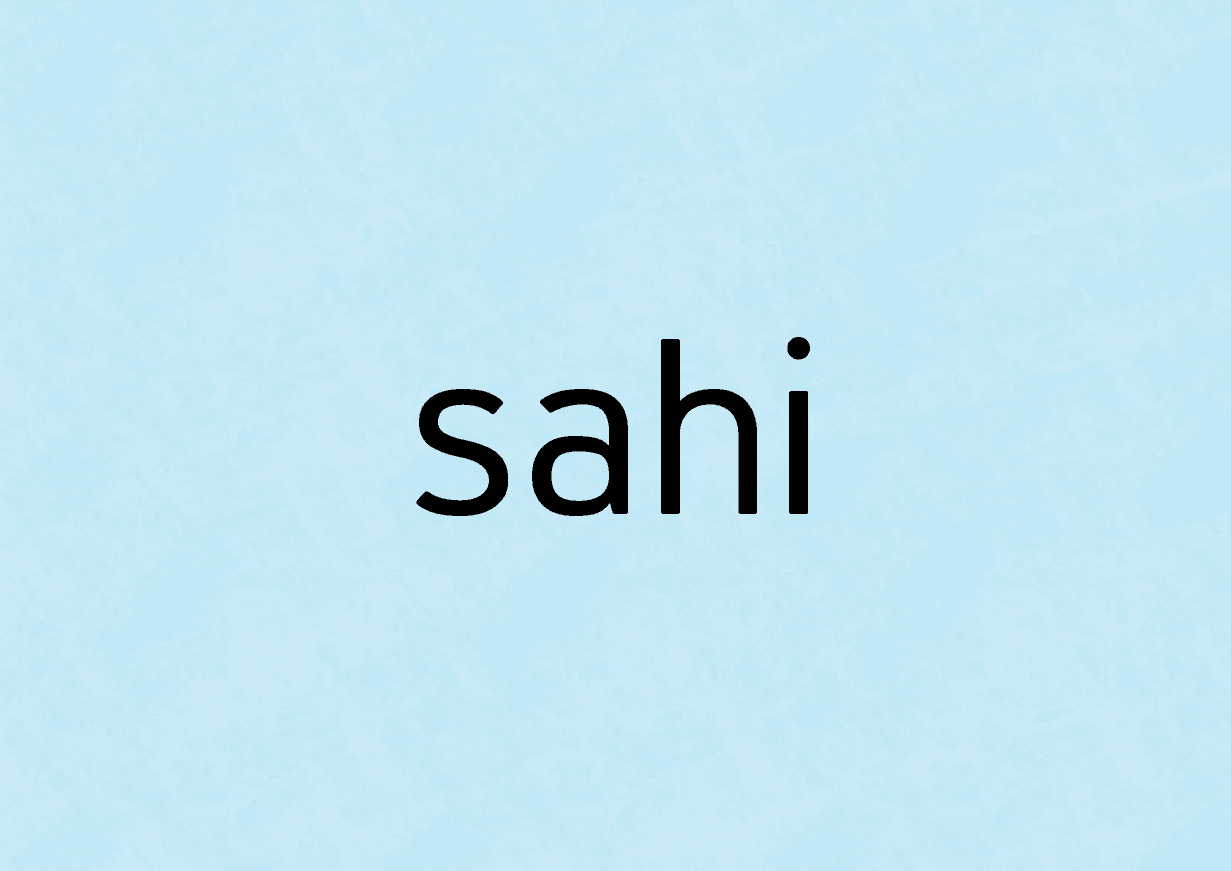
“Kisi aur ka rang dekh kar aisa behave karna bilkul sahi nahi hai.”Outcomes
Measured by facilitator-led conversation and a show of hands over the two days, plus individual and small-group conversations afterwards.
30+
Raised a hand to respond when asked, by Day 2
14 of 33
Admitted, in our conversations, they had bullied someone
31 of 33
Said they understood what bullying feels like for the person on the other side
On Day 1, no hands went up. By Day 2, after building and voicing responses in the game, more than thirty of the thirty-three did. By the end, around thirty-one said some version of “now I know what this feels like, and what it does to the other person”. Not the definition of bullying, but its weight.
The one that stayed with me came later, in smaller conversations after class. Fourteen students, talking through situations they’d been in, told me they had bullied someone, and hadn’t understood until now that it was wrong, or how it landed. No names, nothing traceable. It came from a real conversation, not a raised hand, which is why it counts.
And one student made the point better than any figure could. After the workshop we gave the class an open classroom to come and say anything they liked, with no judgement.
“I didn’t even know there were types of bullying. I wondered to myself, have I ever bullied someone unknowingly?”
What we left behind
The whole workshop, its activities and every asset now sit with Going to School as a blueprint they can take into other schools: a ready starting point for helping students understand what bullying is, why it’s wrong, and how to respond. It did what it was built to do: get a design running in a room, then hand it on.
Reflection
The handover exists, but it points outward, to the next school, not inward to these thirty-three. Nothing was left embedded in this classroom to keep the shift alive: no teacher brief for their teachers, no student group among the cohort, and a two-day peak won’t survive an unchanged room on its own.
Next time I would leave something small and self-sustaining with the cohort too, and follow up a month later so there is at least one measurement taken cold, built in from the first day instead of the last. What I’m most confident travelled is the set of decisions behind the numbers: carrying an existing instinct into understanding rather than teaching definitions, scaffolding the response instead of handing out a menu, and protecting what students trusted us with.
Scope of work
Not done yet?

A conceptual rebrand of Titan, India’s iconic eyewear brand, reimagined for the athletic market.
A signage system built to disappear into Nagarhole National Park — except where disappearing would be dangerous.